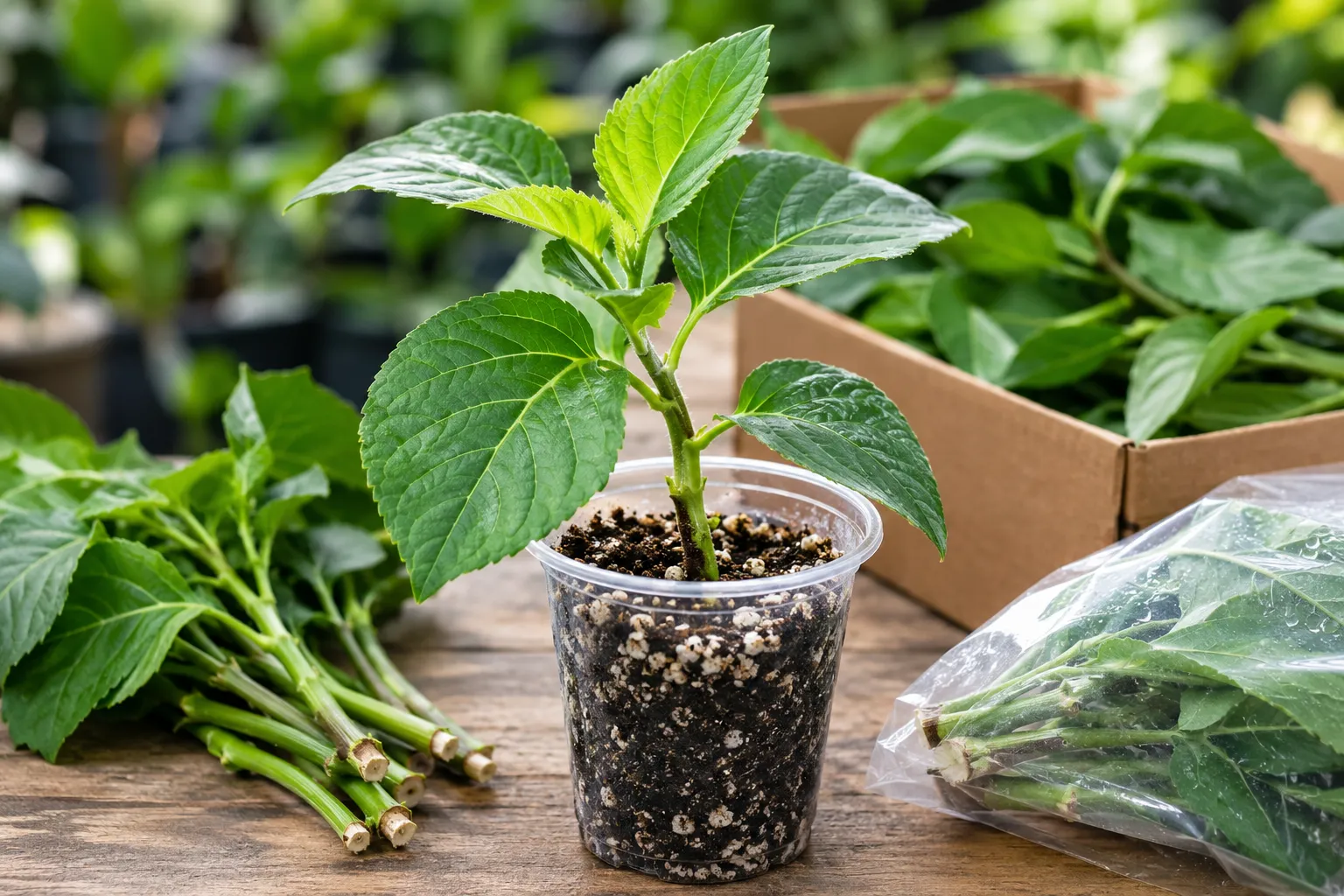
Buying a live plant cutting online is very different from ordering a dried botanical product.
A cutting is alive. Its condition can change during propagation, packing and transit. A photograph may look excellent while the root system is still underdeveloped, and a healthy cutting can arrive looking temporarily stressed after spending several days in a box.
That is why buyers should look beyond plant size or price.
When comparing salvia divinorum cuttings for sale, the most useful questions concern the parent plant, rooting stage, visible health, packaging and the seller’s live-arrival policies.
Quick Summary
A good Salvia cutting listing should help you understand:
|
Check |
What You Want to Know |
|
Plant identity |
Is it clearly identified as Salvia divinorum? |
|
Propagation stage |
Is the cutting rooted, developing roots or freshly cut? |
|
Parent stock |
Does the seller explain where its cuttings come from? |
|
Plant condition |
Do photos show healthy stems and foliage? |
|
Packaging |
How is a living plant protected in transit? |
|
Shipping timing |
Does the seller account for delays and weather? |
|
Arrival policy |
What happens if a cutting arrives damaged? |
The important point is simple: you are buying a living plant, not just a product in a package.
Why Cuttings Need a Different Buying Checklist
Dried leaves and extracts remain relatively stable during normal shipping.
A cutting does not.
It continues responding to moisture, temperature, light and physical movement throughout the journey. That creates variables that do not exist when buying a shelf-stable product.
A seller of live cuttings therefore has more responsibilities than simply putting an item into a mailer.
The nursery has to begin with healthy plant material, allow the cutting to reach an appropriate development stage, package it securely and minimize unnecessary time in transit.
The buyer should evaluate those factors before focusing on price.
First, Understand What “Cutting” Means
A cutting is plant material taken from an established parent plant and used for vegetative propagation.
Unlike growing from seed, vegetative propagation preserves the genetics of the parent plant.
That makes parent-stock identity particularly important.
When you buy a seed, genetic variation is expected. When you buy a cutting, you are obtaining material directly descended from an existing plant.
For Salvia divinorum, that distinction deserves attention because cultivated plants are commonly maintained through vegetative propagation.
A good seller should therefore describe a cutting as propagation material rather than presenting it as if it were a mature plant.
Rooted vs. Unrooted Is an Important Difference
One detail buyers often overlook is whether a cutting already has an established root system.
These are not identical products.
Unrooted cutting
This is relatively fresh plant material that still needs to establish roots.
Rooting cutting
Root development has begun, but the plant may still be in an early transition stage.
Rooted cutting
The cutting has developed an established root system and begun functioning more independently.
A listing should make the stage reasonably clear.
Words such as “live plant,” “cutting,” “rooted cutting” and “established plant” should not all be used as though they mean the same thing.
For a buyer, that clarity matters because it determines what should reasonably be expected when the parcel arrives.
Don’t Judge a Cutting Only by Height
A tall cutting is not automatically a better cutting.
This is one of the easiest mistakes to make when looking at plant photographs.
A shorter cutting with healthy tissue, a stable stem and established roots can be better developed than a taller piece of plant material with little root formation.
Instead of looking only at height, examine the overall plant.
Useful signs include:
-
intact stems
-
healthy-looking growing points
-
leaves without widespread damage
-
no obvious pest infestation
-
no severe discoloration
-
clear information about root development
Some minor cosmetic variation is normal with living plants.
The goal is not perfection. It is evidence of a healthy, viable piece of propagation material.
Ask Where the Cutting Started
The quality of a cutting begins before the cutting exists.
It starts with the parent plant.
Healthy propagation stock matters because problems present in stressed or poorly maintained parent plants can carry forward into new material.
That is why nursery-quality discussions often focus heavily on mother or parent stock.
A useful seller description may explain that cuttings are selected from established, healthy plants rather than presenting every cutting as an anonymous piece of greenery.
Buyers do not necessarily need a long genetic history for every plant.
However, the seller should at least appear to know what it is propagating and maintain consistent identification.
Product Photos Should Answer Questions
A plant photograph should do more than make the page attractive.
Look at the image and ask:
Can I actually learn something from this?
Useful cutting photographs can show:
-
overall plant form
-
approximate scale
-
leaf condition
-
stem condition
-
developmental stage
-
rooting container when applicable
Be cautious when every live-plant listing uses exactly the same generic photograph.
Plants naturally vary, so representative photographs are understandable. But the images should still accurately represent the type and approximate development stage being offered.
Packaging Matters More Than Most Buyers Realize
A healthy cutting can leave a nursery in excellent condition and still suffer damage from poor packing.
The root area needs stability. The stem should not be repeatedly bent or crushed. Leaves should have reasonable protection from excessive movement inside the parcel.
There is also a balance.
Packaging should protect the plant without treating a living cutting exactly like a sealed dry product.
When comparing sellers, look for an explanation of how live plants are prepared for shipping.
You do not need to know every packaging material used.
You simply want evidence that the seller has a separate process for live plants.
Shipping Speed Is Part of Plant Quality
For a live plant, shipping is not merely a delivery issue.
It is part of the product experience.
An extra few days in transit matters more to a cutting than it does to a T-shirt or a bag of dried material.
Before you buy salvia divinorum cuttings, check whether the seller explains:
-
where live plants can be shipped
-
how orders are scheduled
-
whether tracking is provided
-
what happens during significant delays
-
whether extreme weather affects dispatch
-
how transit damage is handled
A responsible live-plant seller should think about the journey before sending the parcel.
Use This Five-Minute Pre-Order Test
Instead of trying to judge a nursery by how polished its homepage looks, open the actual cutting page and see whether you can answer these questions.
1. What am I receiving?
Cutting, rooted cutting or established plant?
2. Can I see the plant clearly?
Photos should show the product category accurately.
3. Does the seller discuss plant condition?
There should be some indication of what qualifies as suitable material for shipping.
4. How is it shipped?
Live-plant shipping should not be treated exactly like ordinary merchandise.
5. What happens if it arrives damaged?
A clear live-arrival or damage policy is valuable.
If several of these answers are impossible to find, contact the seller before ordering.
What to Check When the Package Arrives
The first inspection should be simple.
Before changing anything, look at the condition of the parcel and plant.
Photograph the package
If there is significant physical damage, having an arrival record makes communication with the seller much easier.
Check the stem
Look for major crushing or breakage rather than worrying about every small bend.
Look at the leaves
A plant that has travelled in darkness may not look exactly like its product photograph when first opened.
Distinguish temporary-looking stress from severe physical deterioration.
Look for obvious pests
Inspect the upper and lower leaf surfaces and around the stem.
Keep the plant label
If a nursery uses identification labels, leave them with the plant while you assess it.
This process takes only a few minutes but gives both buyer and seller much better information if there is a problem.
Transit Stress Does Not Always Mean a Bad Cutting
Living plants react to shipping.
A cutting may temporarily droop or look less vigorous after being enclosed and transported.
That does not automatically mean it was unhealthy when shipped.
At the same time, serious stem damage, extensive rot, severe pest infestation or completely deteriorated material should not be dismissed as ordinary shipping stress.
The key is documentation.
Take clear photographs on arrival and contact the seller promptly if something appears seriously wrong.
A good nursery policy should make the reporting window easy to understand.
Price Should Be Compared With What Is Included
The cheapest cutting is not necessarily the best value.
The most expensive one is not automatically superior either.
When comparing prices, consider what accompanies the plant:
-
rooting stage
-
packaging
-
shipping method
-
tracking
-
plant identification
-
customer support
-
live-arrival policy
-
replacement or damage terms
This produces a much more useful comparison than price alone.
A $5 difference matters less if one seller clearly explains what you are receiving and how the plant is protected.
Red Flags Worth Noticing
No single warning sign proves that a seller is unreliable, but several together deserve caution.
Look twice if you see:
-
no botanical name
-
no explanation of whether the cutting is rooted
-
only generic stock photographs
-
unusually broad promises about plant size or survival
-
no shipping information
-
no damage or live-arrival policy
-
identical descriptions across unrelated live plants
-
no clear way to contact the seller
Live plants naturally vary.
A trustworthy listing acknowledges that reality instead of promising that every cutting will be identical.
FAQ
Are Salvia divinorum cuttings the same as seeds?
No. Cuttings are vegetatively propagated plant material taken from a parent plant. Seeds result from sexual reproduction and can contain genetic variation.
Is a rooted cutting the same as a mature plant?
No. A rooted cutting has established roots but is still at an earlier developmental stage than a mature plant.
Is a bigger cutting always healthier?
No. Height alone tells you very little about root development, stem condition or overall plant health.
Should every cutting look identical?
No. Living plants naturally vary. Sellers should provide a realistic range rather than suggesting that every plant will look exactly like one photograph.
What should I check first when a cutting arrives?
Check the package, stem, foliage and general condition, keep the identification label attached, and photograph any significant damage immediately.
Final Thoughts
Buying live Salvia divinorum material requires a different mindset from buying dried botanical products.
The best question is not simply, “How big is the cutting?”
Ask instead:
Where did it come from? What stage is it at? Does it look healthy? How will it be protected in transit? And what happens if something goes wrong?
Those questions reveal much more about nursery quality than plant height or an attractive product photograph.
A good seller should make the answers reasonably easy to find.
And for buyers, taking a few extra minutes to evaluate those details before ordering can make the difference between buying an unknown piece of plant material and choosing a clearly described live cutting from a seller that understands how living plants should be handled.