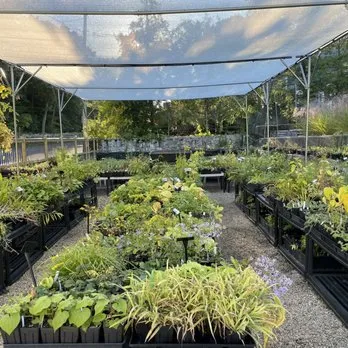
Customers usually see the finished plant, product photograph, strain description, and delivery promise. However, the quality of a clone is shaped long before it appears on a website. Mother-stock management, propagation hygiene, root development, staff training, pest monitoring, labeling, grading, and packing all influence the plant that eventually reaches the buyer. Homegrown Nursery should therefore be assessed through the same practical standards that apply to any specialist live-plant supplier: consistency, transparency, organized recordkeeping, and responsible handling.
Organized Mother-Stock Management
The quality of a clone begins with the mother plant. A professional nursery should maintain organized records showing the identity of each mother, its condition, and the cuttings taken from it. Labels must remain clear throughout propagation so that one variety is not confused with another during rooting, grading, or fulfillment.
Mother plants should be observed for pests, disease symptoms, structural weakness, and declining vigor. A nursery that takes cuttings from unhealthy or poorly identified stock can pass problems into an entire batch. Regular review also helps staff decide when a mother plant should be rested, replaced, or removed from production.
Clean and Controlled Propagation Areas
Propagation areas require routine sanitation because young cuttings are vulnerable while developing roots. Tools, trays, work surfaces, containers, gloves, and hands can transfer pests or pathogens between plants. Staff should follow a documented cleaning routine rather than responding only after a visible problem appears.
A homegrown plant nursery should also separate incoming, questionable, or damaged material from healthy production groups. Isolation reduces the chance that one concern spreads through several trays. Clearly defined work zones make it easier to trace where a problem began and how it was managed.
Consistent Cutting and Rooting Procedures
Cuttings should be taken with clean, suitable tools and handled gently. The nursery needs a repeatable method for preparing stems, maintaining moisture, and providing the conditions required for root formation. Rushing this stage can result in plants that look acceptable above the surface but remain weak below it.
The rooting process should be assessed through clear criteria. Staff may consider root visibility, stability in the growing medium, new growth, stem strength, and overall condition. Plants that have not reached the nursery’s minimum standard should remain in production rather than being passed to the customer prematurely.
Clear Grading Standards
Living plants naturally vary, but a professional supplier should define an acceptable range for size, root development, stem strength, leaf condition, and visible vigor. Plants outside that range can remain at the nursery or be assigned to a different product category.
Grading is especially important for large orders. Commercial buyers often need reasonably similar groups so they can organize lighting, irrigation, bench space, and labor. Written size ranges and representative photographs help both sides understand what will be delivered and reduce disputes about normal variation.
Routine Pest and Disease Monitoring
A nursery should inspect upper and lower leaf surfaces, stems, growing media, mother plants, and surrounding work areas regularly. Staff may use magnification, sticky traps, visual logs, and scheduled inspections to identify early signs. Plants with webbing, unusual spotting, damaged new growth, residue, or visible insects should be isolated and investigated.
No supplier can guarantee that biological risk is absolutely zero. A more credible approach is to explain prevention, monitoring, and response procedures honestly. Buyers should still maintain their own intake inspection and observation process because even carefully handled living plants can change during transport.
Accurate Product Information
The product page should identify whether the customer is purchasing a rooted clone, a teen plant, or another form. Approximate height, container type, development stage, and general growth characteristics allow the buyer to prepare the correct receiving space.
Descriptions should avoid guaranteed outcomes. Height, timing, appearance, aroma, and performance are influenced by genetics and environment together. Responsible information explains common tendencies without suggesting that every plant will behave identically under different conditions.
Secure Packaging and Fulfillment
A healthy plant can be damaged if its container tips, the stem is compressed, or the foliage is crowded. Packaging should stabilize the root area, protect the plant from movement, and allow reasonable ventilation. The nursery should also consider transit duration and weather when scheduling fulfillment.
Useful Arrival Guidance
The first days after delivery are an important transition. The nursery can support customers by explaining how to inspect the plant, introduce stronger light gradually, check the growing medium before watering, and monitor signs of stress. Guidance should remain practical rather than using rigid schedules that ignore environmental differences.
Customers should be encouraged to photograph plants on arrival, keep labels attached, and report serious concerns within the stated period. Accurate records allow support staff to distinguish transport damage from changes that occurred after delivery.
Transparent Policies and Communication
Live-plant policies should explain the reporting window for damage, shortages, or major health concerns. Customers need to know what photographs or order documents are required and what remedies may be available. Clear terms reduce conflict and help staff respond consistently.
Professional communication also means being honest about availability. Plant inventory changes as clones root and grow. A nursery should provide realistic fulfillment dates rather than suggesting that every variety and quantity is always ready.
Legal and Ethical Responsibility
Cannabis plant sales, transfers, delivery, and cultivation may be regulated differently by state and locality. A responsible nursery should avoid broad claims that ignore these differences. Customers should verify age limits, plant limits, property restrictions, medical provisions, and licensing requirements through current official sources.
Ethical service also includes avoiding unsupported medical claims or guaranteed effects. The nursery’s role is to provide accurately described plants and practical cultivation information, not to promise a specific health or personal outcome.
Final Thoughts
Professional nursery quality is built through daily routines that customers may never see. Healthy mother stock, clean propagation areas, consistent rooting, careful grading, pest monitoring, accurate labels, secure packaging, organized fulfillment, and responsive support all contribute to a stronger plant.
Buyers can use these standards as a checklist when comparing suppliers. A polished website is useful, but clear practices matter more. When nursery preparation is combined with a clean receiving area and gradual acclimation, the plant has a more stable path from propagation to its new environment.